
Connect
Lower, nimble, and more ground-connected.
Best starting points:Gym work, HIIT, short workouts, and those who dislike big cushioning.
From there, we match your use case to the right footwear experience, then refine by fit, support, feel, and movement.
We begin by understanding how you’ll use the shoe, then use fit, movement, and comparison to make the right choice clearer.
Running, walking, standing, training, racing, recovery, or daily comfort.
Connect, Classic, Float, Bounce, Fast, or a useful blend.
Length, width, volume, shape, and preference still matter.
Video gait analysis can help guide the comparison.
The final choice happens on your foot.
The category gets us moving in a better direction. Your fit, feel, and movement make the final call.
Modern shoes are often defined by the experience they create underfoot, not only by traditional labels. These five experiences give us a smarter starting point.
Lower, nimble, and more ground-connected.
Best starting points:Gym work, HIIT, short workouts, and those who dislike big cushioning.
Familiar, balanced, and everyday.
Best starting points:New runners, walkers, general fitness, and many traditional support needs.
High-cushion, protective, and comfort-first.
Best starting points:All-day standing, walking, recovery miles, easy miles, and softer ride preferences.
Modern, energetic, lively, or propulsive.
Best starting points:Competitive and dedicated recreational runners seeking faster daily training.
Race-day and speed-first performance.
Best starting points:Racing, speedwork, and performance-focused goals.
Our fit process is informed by modern footwear research, including Brooks Run Signature work and Dr. Benno Nigg’s research on preferred movement paths and comfort-based shoe selection.
In practical terms, that means comfort is not just a nice bonus. The shoe that feels best is often the one that best complements how you naturally move, helping running or walking feel easier, smoother, and more natural.
We still use observation, video gait analysis, and fit tools when they help, but we don’t reduce your decision to a single scan, label, or category. The best shoe still has to work on your foot.
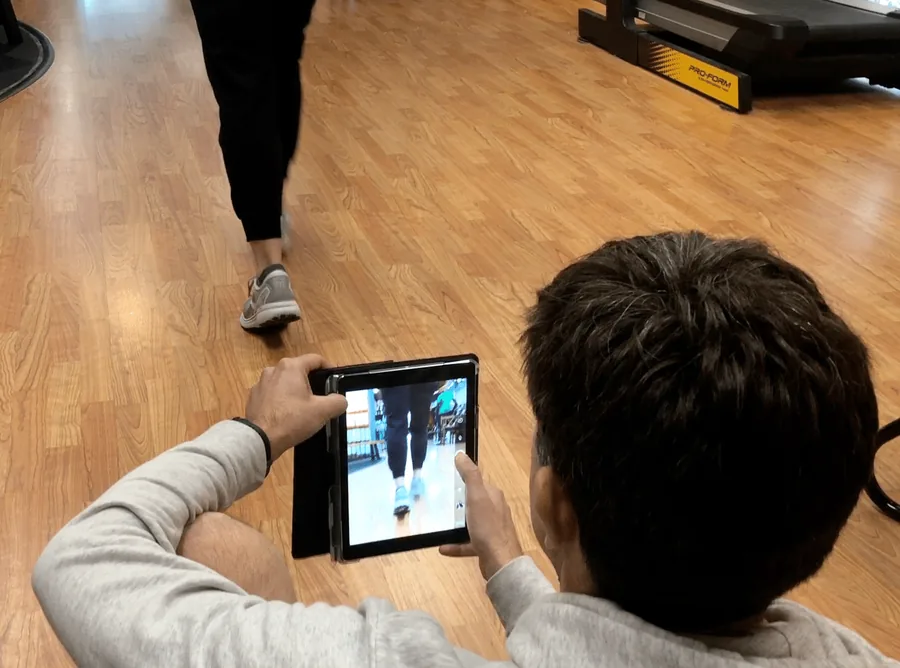
When support is a real question, video gait analysis helps us see how you move and decide whether more traditionally supportive options should be part of the comparison.
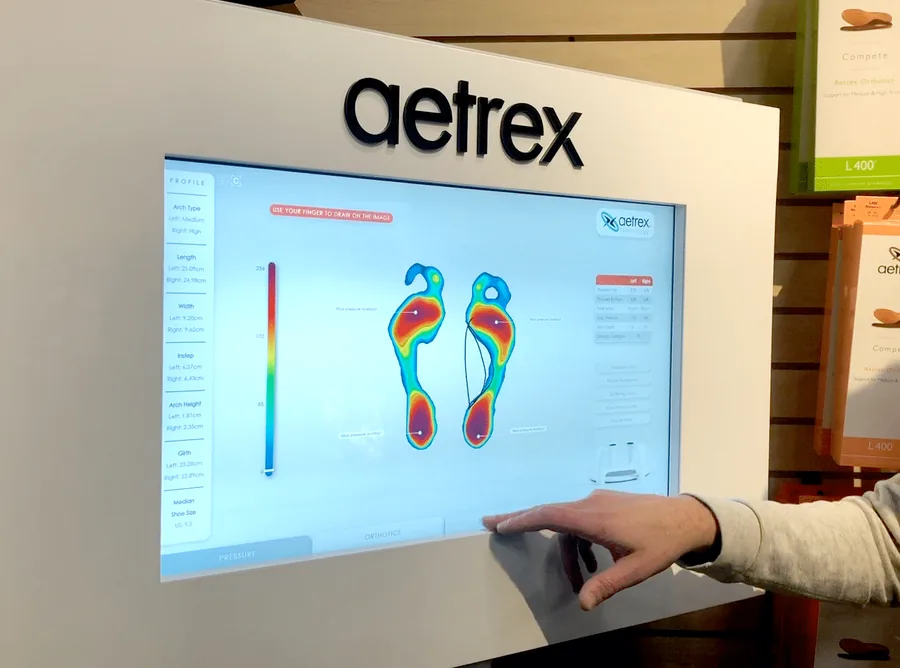
A 2D & 3D scan can help us talk about size, shape, width, and volume. It is a helpful visual, not a final prescription for which shoe is best.
This is where the framework becomes practical. The right starting category depends on what the shoe needs to do for each individual.
We may prioritize nimbleness and stability under load instead of defaulting to a tall, soft shoe.
Classic may offer versatility. Float may offer softer protection. Support is added when the person’s history suggests it.
We usually start with comfort and shape match, then refine quickly because fit failure shows up fast here.
We often keep the first option familiar, then explore Bounce if the athlete wants more energy and handles it well.
Bounce may fit daily training needs. Fast may fit speedwork or race-day needs. Distance, goals, and tolerance still matter.
The answer may be a rotation: Float for recovery, Bounce for training, Fast for workouts and race day.
Footwear Guru helps you clarify your goals, compare shoe types, understand tradeoffs, and arrive with better questions. It does not replace the in-store fit process. It makes the in-store conversation more productive.
Ask questions, compare shoes, explain discomfort, and narrow your starting point.
Use it as a shared reference for comparisons, cushioning preferences, or model changes.
Try shoes on, compare fit and feel, and work with the Big Peach team to make the final decision.
Yes. We use it when it helps guide support or shoe choice, but it is no longer the only starting point.
Yes. Stability shoes still matter, especially for some guests. We simply look at support after we understand use case, fit, and footwear experience.
No. Footwear Guru helps you arrive with more clarity. Big Peach helps you make the final decision through fit, feel, movement, and in-store comparison.
No. It is for runners, walkers, people on their feet all day, gym users, students, healthcare workers, and anyone trying to find better footwear.
No appointment is needed, but Footwear Guru can help you arrive with a better starting point.
Yes, especially if they worked well, failed badly, or relate to a discomfort pattern.